
Pitch Perfect: Workplace Lessons from the World Cup
Did you know the biggest sporting event on the planet is coming to our backyard this summer?
Starting June 11, the United States, Mexico, and Canada will co-host the FIFA Men’s World Cup. It happens only once every four years, and yes, it is even bigger than the Olympics. While we Americans are traditionally consumed by our own sports, the rest of the globe is currently hyper-focused on this main event. 104 games will be played over six weeks, with 48 countries represented.
Soccer (or football, as the rest of the world calls it) is uniquely beautiful because it is entirely accessible—all it takes is a ball and some space. The best players in the world dream of holding up that iconic trophy for their home countries. The global fanbase is unmatched; my favorite is the Netherlands crowd, who dress in bright orange, dance through the streets, and have even imported their famous "Dutch Orange Bus" across the Atlantic for the games.
You may not be a sports fan, and if not, you are completely forgiven! However, we can learn an incredible amount about our own professional lives by looking at the human stories unfolding on the pitch. In this month’s newsletter, we are going to dive deep into the world of soccer to explore how it mirrors our daily work lives. Specifically, we will look at:
The Weight of Leadership: Navigating difficult communication and shifting management roles.
The Shadow of Loss: Facing unexpected grief within a team.
The Hunt for Talent: Evolving recruitment strategies to fit tight financial realities.
Are you ready? Let's lace up and dive in.
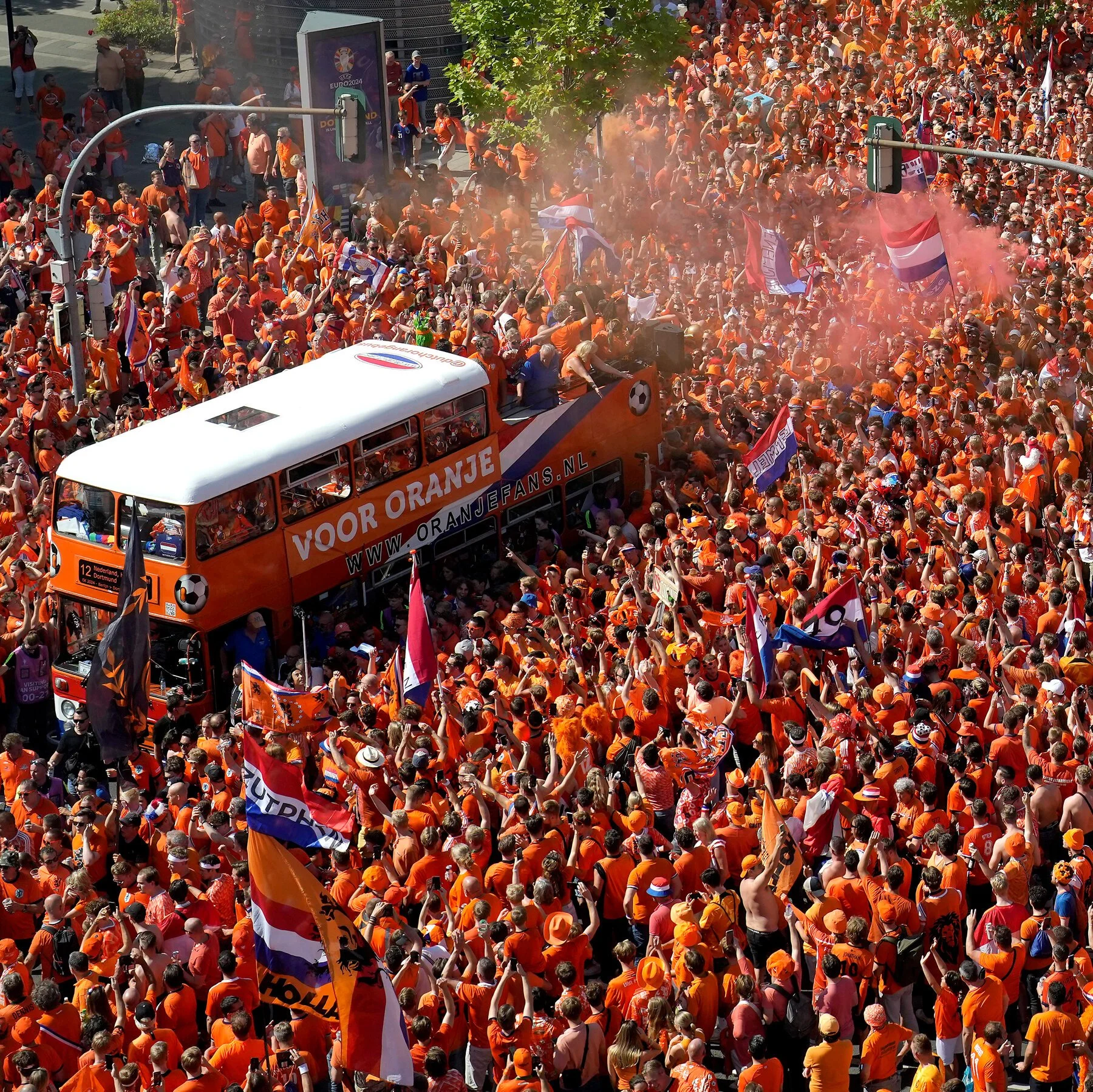
Get ready for the Netherlands fan base.
To understand the stakes of this tournament, it helps to look at how international soccer works. Most players spend nine months of the year working their full-time jobs playing for "clubs"—such as Major League Soccer (MLS) in the U.S. or the National Women’s Soccer League (NWSL). Playing for your country's national team is the ultimate career bonus.
This year, the U.S. Men’s National Team (USMNT) is surrounded by massive hype. Beyond being the host nation, they have spent years rebuilding a young squad to peak exactly right now, even hiring global super-coach Mauricio Pochettino to lead the charge. The tournament structure is brutal: teams must fight through a ruthless group stage just to make it to a 32-team single-elimination bracket. Historically, the men's team rarely advances deep into the tournament (unlike our historic U.S. Women's National Team, who are the most decorated in World Cup history).
With expectations so high, fans were crushed just weeks ago on May 26 when the official USMNT roster was announced. The roster had leaked online days prior, revealing a shocking omission: fan favorite Diego Luna.
Luna is a rising star in MLS whose journey is defined by grit, resilience, and pure joy. He didn't come through the traditional elite academy pathways, making him a true working-class hero to fans. Leaving him off the squad was a massive, high-stakes hiring decision—and the coaching staff chose to communicate it to him via email.
The fallout was immediate. The soccer media erupted, and Pochettino has had to publicly double down on both the tactical decision and the cold communication process.
If this sounds familiar, it’s because it happens in corporate boardrooms every single day. As an HR professional for over 25 years, I’ve been in this exact situation more times than I care to admit. Delivering difficult, career-altering talent decisions is never easy. But when leadership handles termination, rejection, or restructuring via automated, detached communication, it deeply damages morale and trust—both for the person leaving and the team members watching from the sidelines.
What do you think? How could the USMNT have handled this high-profile communication better?
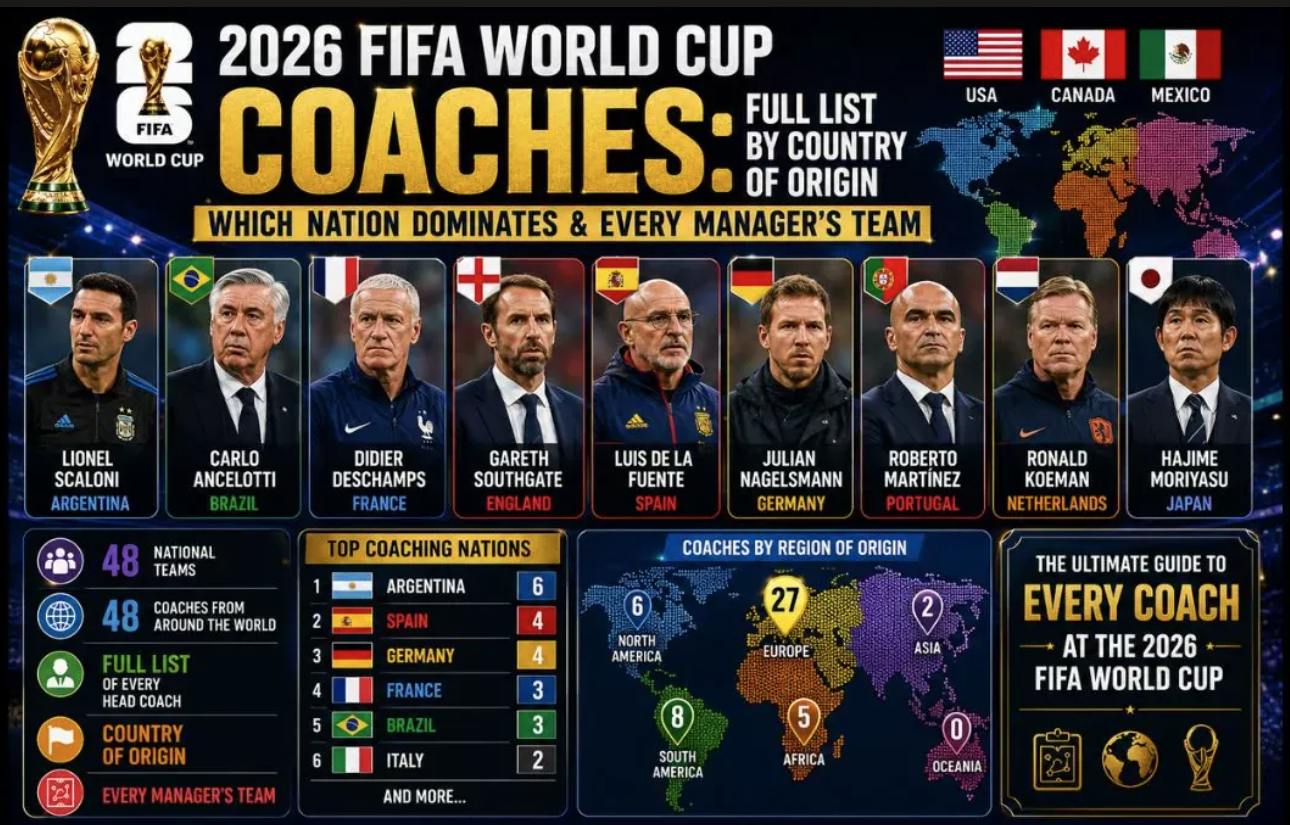
Who will win the World Cup?
The tension surrounding coaches like Pochettino highlights a broader question: what do we actually expect from our leaders?
Team leader. People manager. Supervisor. Coach. Director. Chief. Boss. These are just a few of the titles we give to those responsible for guiding others and meeting organizational goals. But because the expectations of leadership are constantly shifting, the corporate world isn't the only place struggling to define what a leader actually does.
In the English Premier League, there is an ongoing debate about whether the person at the helm should be called a football manager or a head coach. The difference isn't just semantics; it lies entirely in structural responsibility. As ESPN explains it:
“The power balance [has] shift[ed] steadily away from autonomous managerial figures toward head coaches, who are expected to work within a structure which divides responsibilities... A manager is a visionary to whom everyone must answer. A head coach is more of a prominent cog within a larger machine.”
Ouch. Who wants to be described as a "prominent cog" at work? Yet, this exact tension mirrors the corporate world, where supervisors often find their autonomy squeezed by matrixed organizations and split responsibilities. When a leader's true authority doesn't match their expected responsibilities, friction occurs. And that friction invariably leads to turnover.
Look no further than the Premier League's recent 2025-26 season to see this in action. Out of 20 teams, 11 managers were fired—with the shortest tenure lasting a brutal 39 days due to poor performance and senior leadership disputes.
While sports are notoriously volatile, the corporate world isn't far behind. According to Zippia, the average supervisor tenure is now just one to two years. If you’ve ever worked somewhere with a rotating door of supervisors, you know how destabilizing that is. Constant leadership shifts fracture team dynamics, disrupt communication, and erode trust.
The truth is that leading people looks drastically different than it did just a few years ago. Today's managers are juggling hybrid teams and a growing reliance on AI agents, all while employees are understandably asking for more personal connection, empathy, and vulnerability. It is a deeply human ask, but for an already stretched supervisor, it can feel overwhelming.
As Gallup recently noted, “organizations are quietly rewriting the role of manager.” The question we must answer is no longer just how to measure a leader's performance, but how to genuinely support them as the machine around them changes. How would you define the role of a modern manager?
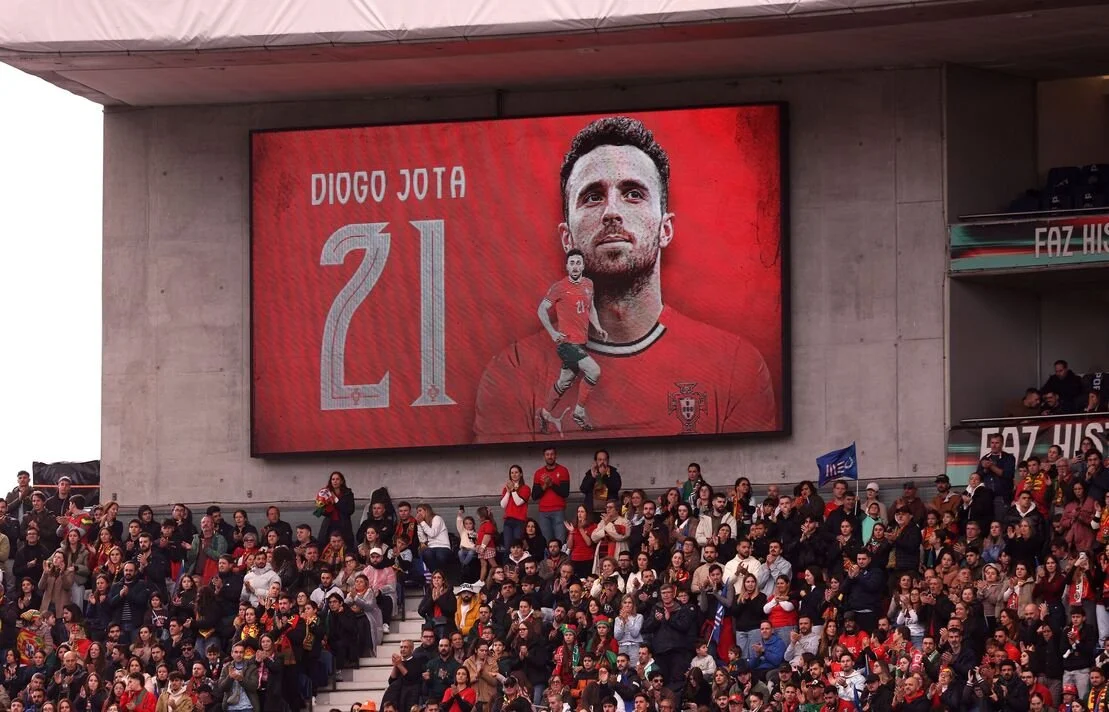
Grief is long-lasting and can impact team performance.
When leadership structures fracture and performance slips, we often blame metrics, processes, or corporate strategies. But sometimes, the root cause is a deeply human battle hidden behind closed doors.
Last summer, the global soccer community publicly mourned Portuguese stars Diogo Jota, 28, and Andre Silva, 25, who died in a tragic car accident. At his death, Jota had just married and won a Premier League title with Liverpool. He was the emotional heartbeat of his club. When the new season kicked off, stadium walls were covered in tribute murals. But a quieter question lingered: Who was checking on his teammates?
Have you ever worked on a team where a colleague unexpectedly passed away? I have, and it hurts like hell. Even after 25 years in HR, nothing prepares you for that phone call. I remember losing a vibrant teammate in her 30s—someone I had just laughed with the week prior. It is a devastating reality that most leaders will inevitably face, yet organizations are notoriously bad at handling the long-term, collective impact of grieving a teammate.
In the Premier League, we watched this play out in real-time. Following Jota’s death, Liverpool started their season strong on pure adrenaline. But as the months wore on, the invisible weight of grief took its toll. Performance slipped, the team ended the season lower than usual, and their head coach was fired. While the public blamed tactics, it begged the question: were we witnessing a team trying to outrun their sorrow?
We ask that because the corporate world routinely tries to rush grief. We grant employees three days of standard bereavement leave and inadvertently assume that if a person logs in, they are "okay." We treat mourning as a linear checklist, but grief doesn't follow a corporate timeline.
We are about to see this hidden grief take center stage during this World Cup. Portugal, Jota’s national team, enters the tournament as a favorite, but they do so under a heavy shadow. The anniversary of Jota’s passing lands directly during the tournament on July 3.
The emotional cracks are already showing. Recently, Jota's former teammate, Andrew Robertson, read a heartfelt letter from Jota’s widow to the squad. Another former teammate courageously opened up about the severe depression he has battled since the accident, challenging the myth that success and wealth shield you from pain:
"It's true that I've often heard players say they were suffering from depression and that fans... didn't understand because they were earning a lot of money. But no, that's rubbish... Depression is personal; it's deep inside you. When you're depressed, it starts in the heart, goes up to the brain and takes over your whole body."
Right now, workplaces face an epidemic of burnout—but much of what we label "burnout" is actually unaddressed, accumulated grief. When a team loses a member, they lose a piece of their daily culture. As leaders, if we want our teams to perform, we must allow them to heal. We have to stop just building memorials and start actively checking on the teammates left behind. What are you doing to support hurting teammates today?
Even Woody and Buzz need help sometimes.
Just as we must support the teams we have, we also have to think creatively about how we build them. This brings us to our final lesson from the pitch: recruitment.
In the elite club system, securing top-tier players requires massive financial investments, leaving smaller clubs at a distinct disadvantage. But what if you could find a way to discover incredible, rising talent before anyone else, for a fraction of the cost? That is exactly what the Premier League’s Brentford FC did by adopting an American recruitment model made famous by Hollywood.
You might remember the 2011 movie Moneyball. Based on a true story, it follows a baseball General Manager faced with a razor-thin budget and immense pressure to win. He partners with a young analyst to scout undervalued players using predictive data analytics. While traditionalists mocked the approach, leaning into this non-traditional method led to historic success.
This story holds vital lessons for small businesses and nonprofits fighting to recruit top talent on a limited budget. The hard truth is that traditional recruitment strategies are completely broken for employers offering roles paying under $100,000. I work with organizations every day that are fighting this uphill battle, quietly hoping that great candidates will compromise on salary simply because they believe in a mission. Hope, however, is not a recruitment strategy.
Shifting away from traditional methods requires a different skill set—one that many small employers don't yet possess or have the money to employ. For example, I am currently helping a client recruit for four well-paying roles (all under $100k) in a rural area. In the past, their go-to strategy was posting on major job sites like Indeed. They received applicants, but a frustrating number were unresponsive or didn't actually live in the region.
To fix this, we stepped outside their comfort zone. The group began leveraging targeted Instagram ads and posting directly within local Facebook groups. The results? Both the quantity and quality of their applications increased significantly. Like Brentford FC, they succeeded because they were willing to look where their competitors weren't.
Ultimately, modern recruitment requires looking at hiring not as a reactive fix, but as a continuous investment in the future. The reality of today's market is that even if you don’t have a current job opening, you are always recruiting. The passive candidates browsing your website today may be your applicants next year. The interns you hire this summer could be your future directors.
Because you are always recruiting, it is time to act like it. Update the careers page on your website.具Implement a paid internship program to build authentic relationships with the next generation. Stay deeply involved in your local community.
Recruitment is like a garden that takes time and care to grow. If you want a harvest tomorrow, you must be willing to plant your seeds today. What seeds do you need to plant?
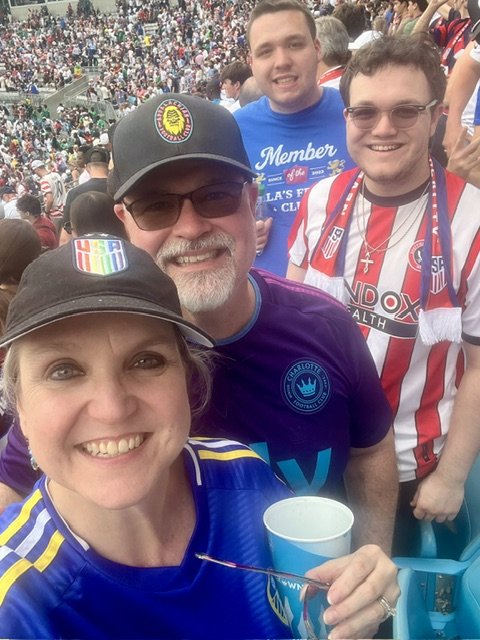
Our family loves soccer.
Ultimately, whether navigating the high-stakes pressure of the World Cup or the daily demands of the boardroom, organizational success will always hinge on our willingness to prioritize the human being behind the title. By learning from the soccer world—whether that means communicating tough talent decisions with greater care, clearly defining and supporting the changing role of our managers, holding space for collective team grief, or getting creative with budget-friendly recruitment—we can build workplaces that don't just perform, but actually thrive. As we head into this historic summer of soccer, let’s challenge ourselves to look past the metrics, protect our collective humanity, and start actively investing in the people who bring our organizations to life.
Wanna read more? Try these articles. USWNT team fight for equal pay. Diego Luna origin story. Job titles in the Premier League. Gallup workplace research. Liverpool interview about grief. Brentford FC recruitment story. Zippia supervisor research.
Need a little boost to get started? Access the tools. Book a free 30-minute coaching call with me. No sales pitches. No commitment. Just free time to think out your next steps.