
How to Protect Your Team When Disaster Strikes: A Complete Guide to Emergency Readiness
Imagine waking to an escalating rainstorm that rapidly turns catastrophic. Within hours, regional infrastructure collapses entirely. Roads wash out, and power, water, cellular service, internet, and 911 access go completely dark. You reside in a rural area with distant neighbors, your vehicle is immobilized beneath a fallen tree, and refrigeration has failed. Your children cannot attend school, you cannot log into work, and you are far beyond walking distance from emergency services or retail establishments.
This profound isolation is an increasingly common reality during severe weather events, network failures, and widespread infrastructure crises. Whether driven by natural phenomena—such as earthquakes, hurricanes, and wildfires—or induced by grid failures and civil unrest, such disruptions are no longer statistical anomalies.
Data from the National Oceanic and Atmospheric Administration (NOAA) illustrates this shifting baseline: while the United States averaged nine major natural disasters annually between 1980 and 2024, that figure escalated to an average of 23 major events per year over the past five years. Crisis events now occur with unprecedented frequency across all geographic regions.
For organizations managing any number of employees, this reality introduces an intricate operational risk: management cannot always predict when or where employee safety will be compromised. Preparing for these inevitable disruptions requires a coordinated, multi-layered framework.
Organizational resilience relies on a shared ecosystem of responsibility spanning four key tiers: individual employees, frontline supervisors, executive leadership, and supporting operations teams. In this newsletter, I’m outlining the basic work at each level and providing resources for your team to use. You ready?
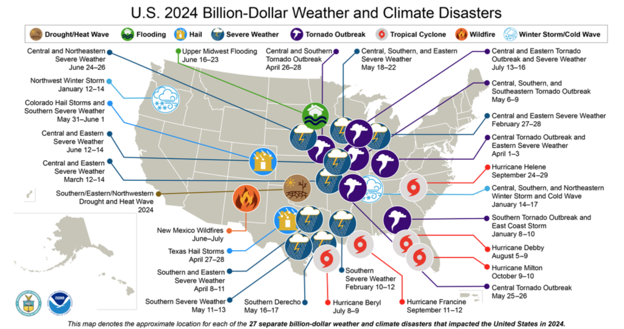
Data from NOAA’s National Centers for Environmental Information
LEVEL ONE: INDIVIDUAL PREPAREDNESS
While an organization must provide a robust safety net, individual preparedness remains the primary line of defense. Employees hold a foundational responsibility to monitor local environmental conditions and proactively communicate potential impact. Remaining attentive to escalating risks enables personnel to execute defensive measures before communication infrastructure fails entirely.
To facilitate workforce readiness, organizations should provide resources to help employees execute a standardized emergency protocol:
Inventory Home Business Assets: Document and secure company-owned hardware, specialized equipment, and sensitive physical documentation.
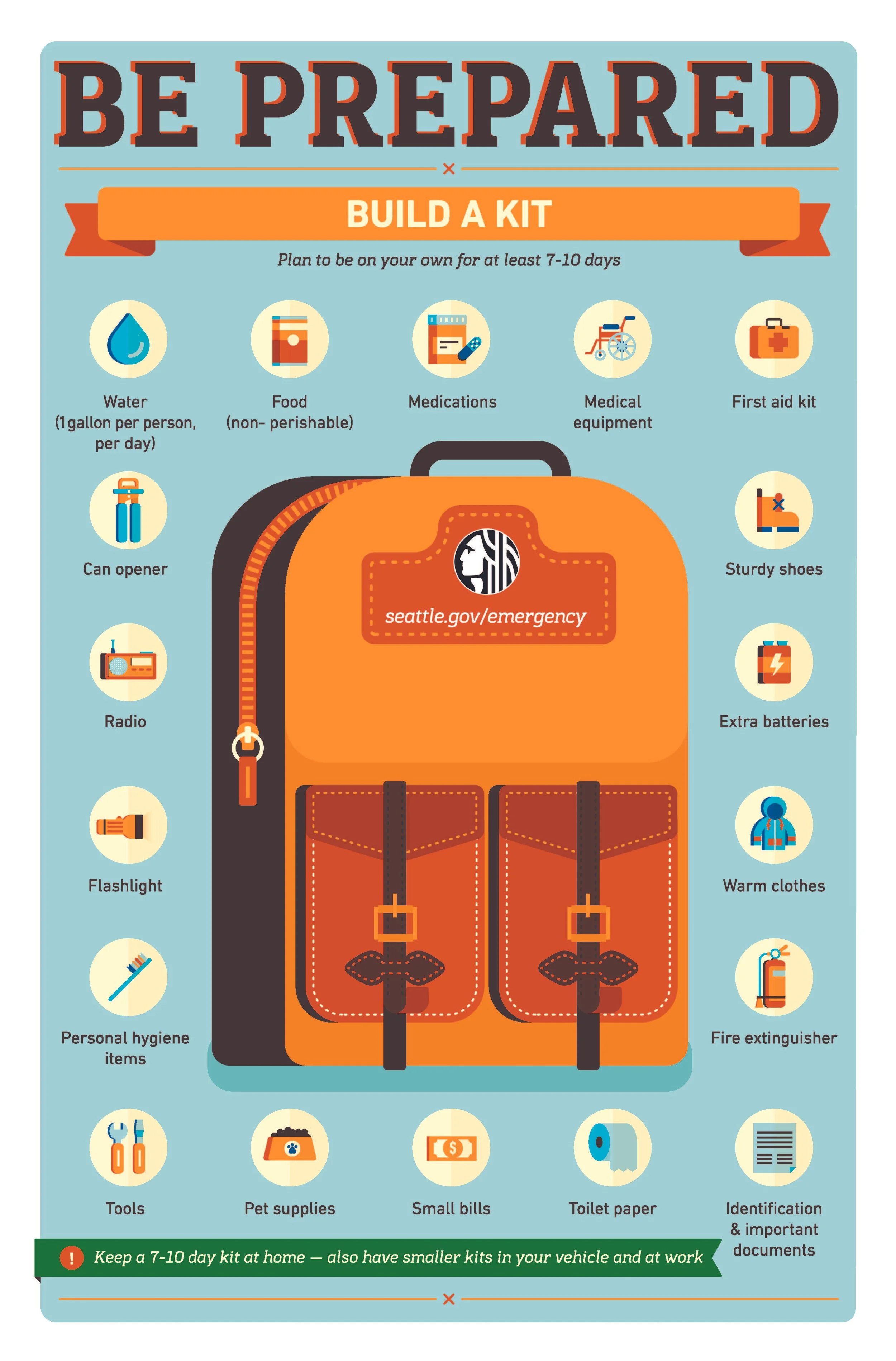
Establish a Personal Readiness Plan: Define family evacuation routes, consolidate emergency contacts, and maintain essential survival supplies (water, non-perishable provisions, alternative power sources).
Secure Digital Assets: Synchronize local files and active working directories to cloud repositories immediately upon the issuance of regional severe weather warnings.
Establish Communication Hierarchies: Maintain an offline record of key organizational contacts and escalation paths.
Leverage Satellite Technology: Familiarize personnel with modern satellite messaging capabilities (such as Emergency SOS via satellite on compatible mobile platforms) to transmit low-bandwidth status updates when networks fail.
LEVEL TWO: FRONTLINE LEADERSHIP AND TEAM COORDINATION
During a crisis, a supervisor transitions from a project manager to the organization’s primary operational link to affected personnel. Leading with empathy ensures both employee welfare and eventual operational continuity.
Supervisors should navigate crisis events using a structured, phased framework:
Phase 0: Proactive Preparation (Pre-Disaster)
Maintain Alternative Contacts: Secure direct personal phone numbers, secondary email addresses, and emergency contacts for all team members, bypassing primary communication suites that may experience service disruptions.
Establish Out-of-Band Communication Protocols: Define fallback channels (such as SMS or secondary messaging applications) for team coordination if corporate networks go down.
Categorize Project Pipelines: Classify active deliverables into mission-critical items requiring immediate reassignment and non-essential tasks that can be temporarily paused.
Verify Remote Readiness: Ensure personnel in high-risk zones maintain charged backup battery sources, and proactively shift high-priority workloads to colleagues in unaffected regions.
Distribute Support Resources: Preemptively share access details for Employee Assistance Programs (EAP) and emergency leave policies, explicit in the directive to prioritize personal safety over routine deliverables.
Phase 1: Immediate Safety and Connection (First 24–48 Hours)
Initiate Immediate Contact: Attempt outreach across all designated fallback channels to confirm physical safety.
Mandate a Stand-Down Order: Explicitly relieve affected employees of work responsibilities to eliminate ambiguity regarding operational expectations.
Assess Immediate Needs: Determine basic welfare status, including access to shelter, utilities, and emergency services.
Establish Low-Bandwidth Cadences: Agree upon realistic, low-stress check-in expectations aligned with the employee's available battery power and connectivity.
Phase 2: Operational Adjustment and Coverage
Execute Coverage Plans: Formally reassign active projects, manage meeting schedules, and deploy automated out-of-office notifications on the employee's behalf.
Brief Executive Leadership and HR: Report impact metrics to leadership while strictly protecting individual privacy regarding medical status or personal loss.
Manage Team Bandwidth: Transparently redistribute high-priority tasks across the broader team while monitoring for capacity constraints and burnout.
Phase 3: Resource Deployment
Direct EAP Access: Facilitate immediate access to organizational resources for trauma counseling, legal support, or financial guidance.
Process Emergency Leave: Coordinate with HR to ensure time off is correctly categorized under disaster protocols.
Facilitate Financial Assistance: Assist personnel in accessing emergency hardship grants or relief funds where applicable.
Phase 4: Structured Re-Integration
Provide Flexible Working Arrangements: Adjust working hours and location requirements as employees navigate insurance claims, property remediation, or temporary displacement.
Calibrate Workload Expectations: Reintroduce tasks systematically rather than expecting an immediate return to baseline productivity.
Maintain Health-Focused Touchpoints: Conduct regular 1-on-1 conversations focused strictly on personal recovery separate from performance metrics.
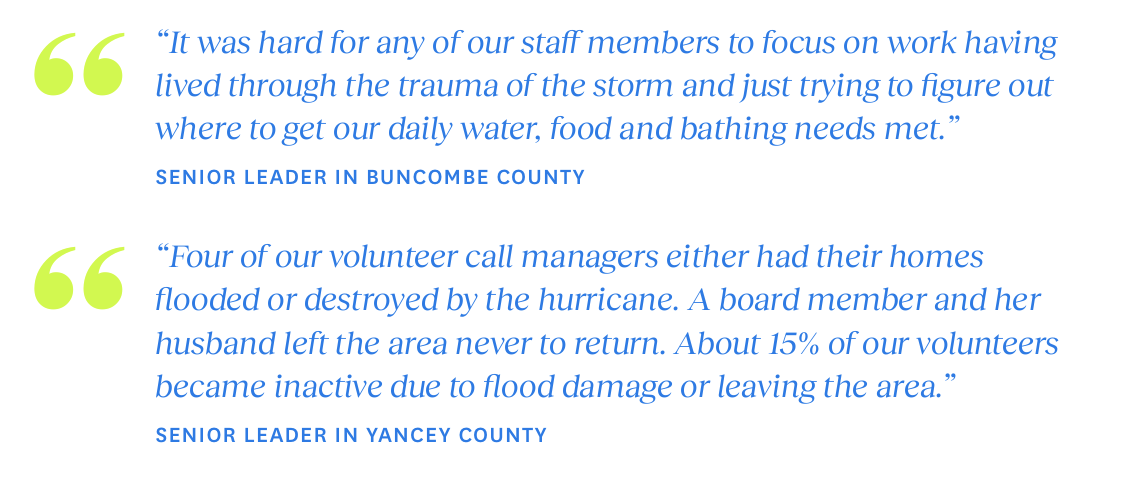
Nonprofit Feedback after Hurricane Helene hit Western North Carolina
LEVEL THREE: INSTITUTIONAL INFRASTRUCTURE AND GOVERNANCE
While supervisors manage immediate human elements, the organization must provide the structural scaffolding—policy, infrastructure, financial reserves, and administrative coordination—to operate at scale. Institutional resilience requires pre-established systems that deploy automatically during regional disruptions.
Phase 0: Proactive Organizational Preparation (Pre-Disaster)
Codify Safety-First Policies: Expressly state in organizational policy that physical safety supersedes business deliverables, guaranteeing protection against retaliation for prioritizing well-being during an active emergency.
Deploy Emergency Mass Notification Systems (EMNS): Implement multi-channel communication tools capable of broadcasting real-time voice, text, and email alerts across designated employee cohorts.
Maintain Alternative Hotlines: Establish geographically redundant call-in numbers where isolated personnel can receive corporate updates or record status reports.
Decentralize Personnel Data: Maintain secure, region-mapped employee directories to allow rapid impact analysis when severe localized events occur.
Execute Scenario Exercises: Conduct annual tabletop exercises with executive and operational teams to simulate extended communication blackouts and operational failovers.
Phase 1 & 2: Active Disaster Response and Business Continuity
Institute Default Safety Protocols: If an employee in an impacted zone becomes unreachable, operational policy must default to assuming a loss of utilities rather than an unexcused absence.
Authorize Emergency Welfare Checks: Coordinate local emergency services or localized welfare checks when logistically feasible and appropriate.
Establish Communication Protocols: Instruct broader teams to hold non-essential communications to preserve the impacted individual's device battery life and mental bandwidth.
Guarantee Payroll and Administrative Support: Automatically approve administrative leave blocks that preserve standard paid time off, maintaining uninterrupted compensation regardless of timesheet submission status.
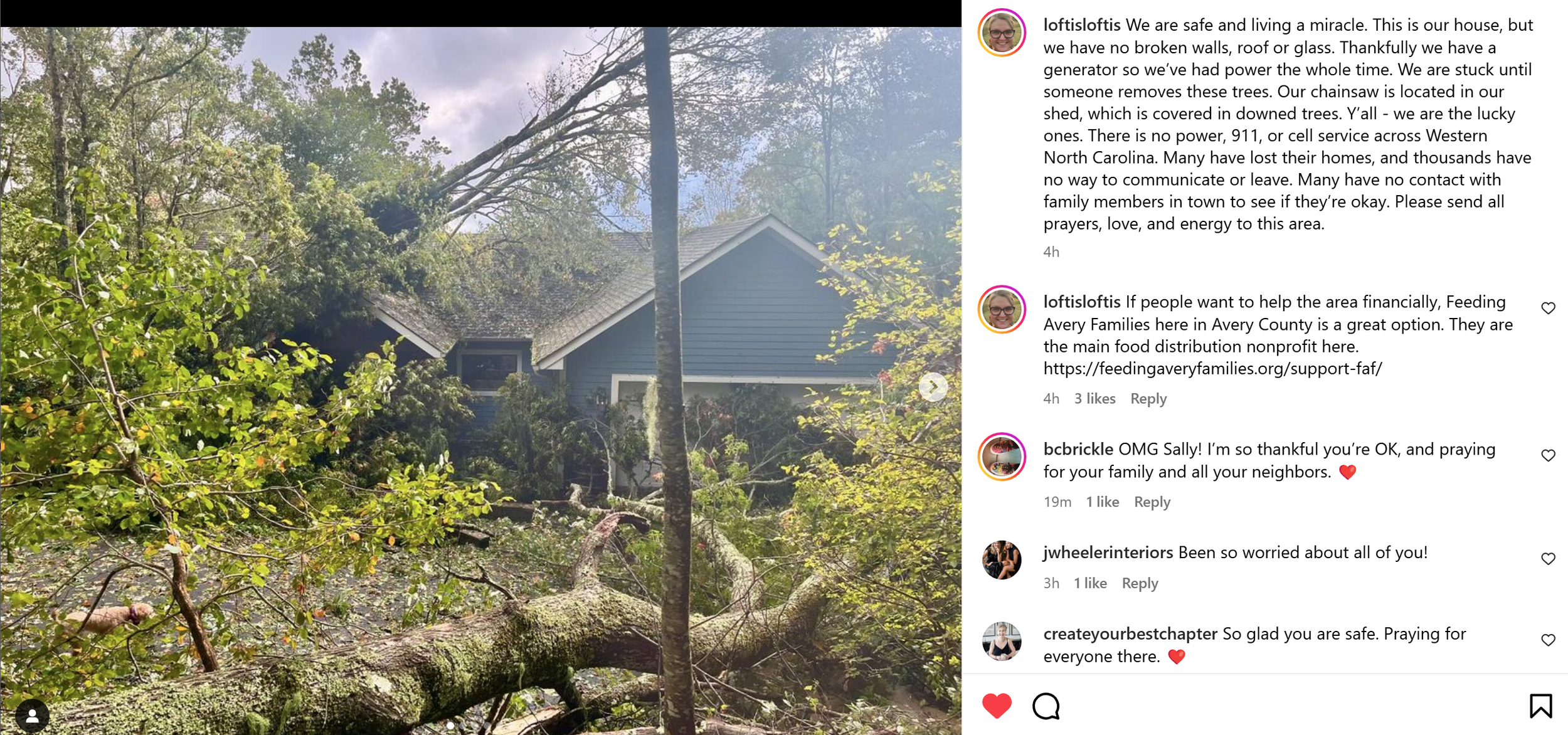
We had Starlink at home, so I was able to communicate quickly with our family and our nonprofit donors.
LEVEL FOUR: COMMUNICATIONS STRATEGY AND OPERATIONAL RISK MANAGEMENT
The final layer of emergency response requires close alignment between Human Resources and Operations to manage internal communications and systemic operational risks concurrently.
Internal Communications
When personnel become unreachable, information vacuums can generate unnecessary anxiety among colleagues. Clear internal communications manage operational expectations while shielding impacted employees from influxes of messaging that deplete limited mobile battery power.
Messaging should emphasize transparency, empathy, and administrative control, reassuring the workforce that backup systems are active and team welfare is monitored.
Operations and Risk Mitigation
An offline employee presents specific operational challenges regarding continuity and security. The Operations team must manage business continuity and data protection simultaneously through targeted controls. Below is a list of risk areas and mitigation strategies. Think of mitigation like this: putting on a helmet before riding a bike—you can't completely guarantee you won't fall, but wearing a helmet mitigates (reduces) how badly you get hurt if you do.
Single Points of Failure (SPOF): Establish secure, credentialed "break-glass" protocols to allow administrative access to critical system keys, repositories, and client platforms without individual credentials.
Asset & Data Security: Utilize Mobile Device Management (MDM) platforms to remotely lock unmonitored devices, terminate active sessions, and prevent data corruption during abrupt power failures.
Geographic Redundancy: Implement structured peer coverage systems that allow operational responsibilities to shift instantly to teams in unaffected time zones or regions.
Centralized Repositories: Enforce continuous cloud backup policies (if you have them) for all working documentation and code bases so covering personnel can assume tasks seamlessly.
Emergency Hardware Deployment: Maintain localized inventories of pre-configured equipment ("disaster kits" containing imaged devices, mobile hotspots, and auxiliary power banks) ready for rapid deployment when logistical routes re-open.
Organizational disaster resilience relies on pre-established integration across all operational levels. By pairing individual readiness with structured leadership protocols, clear governance, and technical safeguards, organizations can maintain operational stability and fulfill their duty of care during severe regional disruptions.
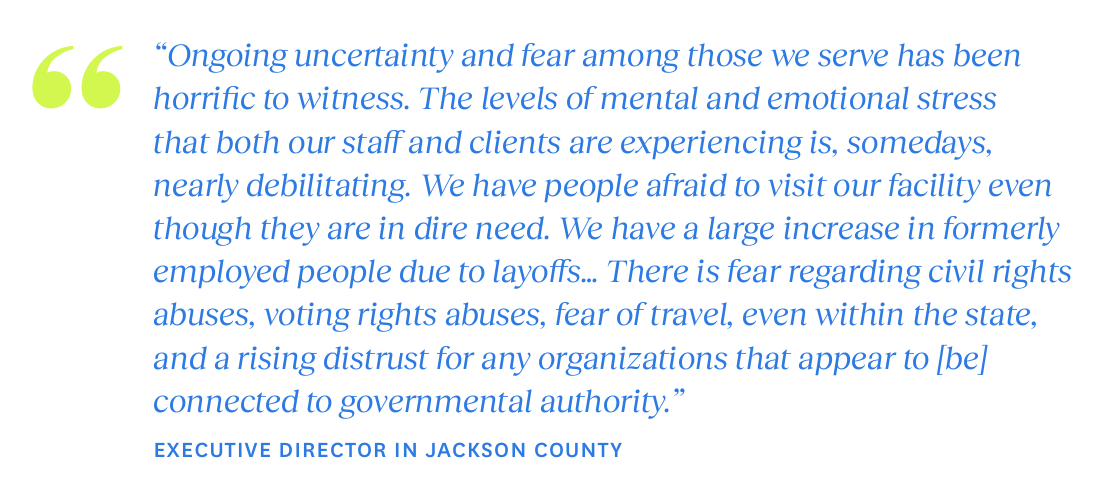
A year after Hurricane Helene hit our area, nonprofits were still feeling it.
I often get tired of writing about natural disasters and crisis management because the terms still (2 years later) stir up emotions and tension in my body. That’s why I’m writing this. I want you to have the tools you need to survive and even thrive in the worst of circumstances. Recently, my in-laws were helping an elderly friend who had a heart attack in his yard. They couldn’t take him to the best hospital because it was shut down due to a cyberattack. While he survived and is doing well, it’s just another reminder that crisis can hit us or our infrastructure at any time. Are you ready for it?
Need a little boost to get started? Access the tools, which include an employee readiness guide, internal communications templates, and a supervisor checklist. Book a free 30-minute coaching call with me. No sales pitches. No commitment. Just free time to think out your next steps. You got this.