In our last post, we explored how human resources is the living ecosystem—the essential root system—that supports your entire organization. At its heart, HR is about nurturing the relationships that allow your team to thrive. But for those relationships to flourish, we have to start with the baseline that sustains your employees’ daily lives: pay and benefits. Behind every wage structure, FLSA status, and time-off policy sits a real person using their income to care for themselves and their families. Now, let’s move from foundational assumptions to the practical "big stuff," looking at how clear pay structures and meaningful benefits protect both your team and your mission.
Pay and benefits are the parts of human resources that come to mind first for employees. Here’s why – it’s how your employee is supporting themselves and potentially others. When pay and benefits don’t work well for an employee, that’s a big deal. Here’s an example.
When I was a human resources manager for a local nonprofit, I received a phone call from a former employee who had never transferred their employer retirement account to a personal one. It had been 10 years since this employee left. However, this employee called me from a hospital room where his son was having emergency surgery. He needed the retirement money now to pre-pay for the surgery.
That’s one of many stories. I’ve had candidates wonder if they could take a job when the local hospital didn’t have labor and delivery services. I’ve worked with employees who had chronic illnesses and needed more from our employer insurance plan. I’ve sat with employees who are looking at other jobs and seeking help in understanding how a new job might change their financial situation. Behind every HR situation sits a human.
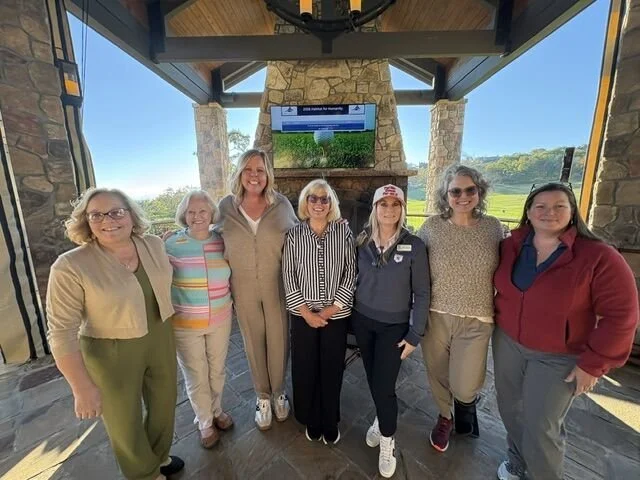
The humans that make nonprofit work possible.
Now let’s get into the terms and definitions used in the pay space. You may hear the word “pay” used interchangeably with salary, wages and compensation. I define pay as an employee’s base income not including bonuses, incentives, or benefits. And when I talk about pay, I’m including all employees – part-time, temporary, salaried, front-line, etc.
Employee pay is typically broken down into these categories:
· Full-time (typically 29.5 hours or more work per week)
· Part-time (typically 29.5 hours or less work per week)
· Temporary (may be full-time or part-time based on organization needs)
· Contractor (paid differently – see resources for more information)
These categories are defined by the US Department of Labor. However, each category may contain different hours and types of work. For instance, some workplaces say that full-time is equivalent to working 40 hours per week; others might define full-time as 37.5 hours per week. The number of hours for full-time and part-time is generally determined by the employer.
Work is defined by the Fair Labor Standards Act (FLSA) as “all time during which an employee is necessarily required to be on the employer's premises, on duty or at a prescribed workplace.” This includes time when a person is “on call” for the organization and rest or meal periods. These are items that should be listed in your employee handbook.

Two more terms that relate to pay are exempt and non-exempt. Exempt employees must make at least $684 per week (or $35,568 per year) and meet the executive, administrative, and professional exemptions provided by the US Department of Labor. An exempt employee does not qualify for overtime. The exemptions list is included in the resources. Typical exempt employees include the Executive Director and supervisors. A non-exempt employee does not meet the executive, administrative, and professional exemptions provided by the US Department of Labor.
This is one of the reasons for timesheets or electronic time tracking. Every employee (exempt or non-exempt) should complete a timesheet based on your pay cycle (typically every 2 weeks). Exempt employees are reporting hours worked (40 or more per week) and time off. Non-exempt employees are reporting hours worked (based on their schedule) and time off. A non-exempt employee qualifies for overtime.
The Fair Labor Standards Act states that “nonexempt employees must receive overtime pay for hours worked over 40 per workweek (any fixed and regularly recurring period of 168 hours – seven consecutive 24-hour periods) at a rate not less than one and one-half times the regular rate of pay.”
When you hire an employee, part of the offer letter should include their FLSA status – exempt or non-exempt. New employees will also complete forms that may impact their pay, such as a W2 for federal taxes, NC4 form for North Carolina state taxes, and additional forms related to benefits deductions (if applicable), I9 forms for immigration, emergency contact information, and direct deposit authorization.
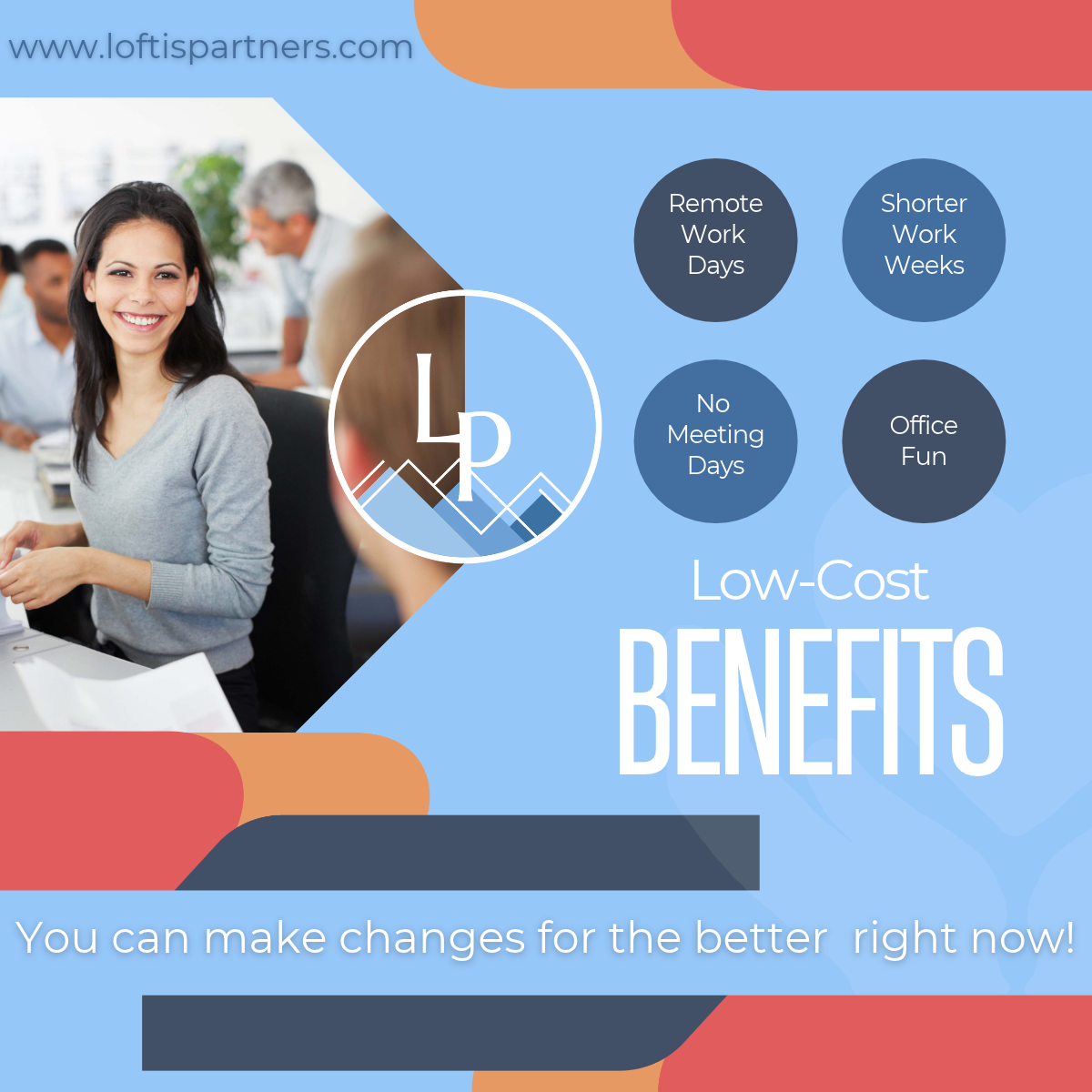
Benefits include many things and can vary between organization size and financial ability. Some standard benefits include paid time off, other paid leave (ex. Jury duty or bereavement), holidays, flexible schedules, remote or hybrid work and free parking. As I mentioned earlier, benefits are non-wage rewards and perks used to boost employee engagement and retention. Beyond pay, benefits can make a huge difference in whether an employee stays with your organization.
Benefits that are more expensive and less available in smaller organizations include health insurance, dental insurance, vision insurance, Employee Assistance Plan (EAP), flexible spending or health reimbursement accounts, life insurance, retirement contributions and/or matches, and professional development stipends. As you grow your budget, it’s important to grow your employee pay and benefits at the same scale.
Here are some best practices:
· Keep it simple when you can. If you can’t explain how to calculate your time off policy or calculation, then I bet your employees can’t.
· Back up your employee benefits with handbook policies. For example, hybrid or remote employees need guidance on when in-office work is required and how to stay safe in a home office environment.
· View benefits as a growing, living stack of options. As your organization grows or changes, your benefits offerings may change as well. For example, offering health insurance in the beginning may look like covering 50% of the premium for employees. You may increase that amount as your organization is financially able and insurance market increases are not too much to absorb.
· Remember that low-cost benefits are still valuable. Low-cost benefits may include paying for an all-staff lunch on a monthly basis or even closing the office with employees being paid for a few days after a big event or busy season.
Reflection Questions:
· How do our current pay and benefits policies reflect our core values, and where might they unintentionally create stress or hardship for our team?
· When making decisions about work hours, schedules, or time-off rules, are we prioritizing institutional convenience or the real-world needs of our employees?
· As our budget grows, what explicit steps are we taking to ensure that staff pay and benefits grow right alongside our organizational goals?
Resources:
Fact Sheet #22: Hours Worked Under the Fair Labor Standards Act (FLSA) | U.S. Department of Labor
Exempt organizations: Independent contractors vs. employees | Internal Revenue Service
Benchmarking Salaries to Promote Equal Pay | LinkedIn
When Do You Need to Hire Human Resources for Your Business? | LinkedIn
Want to Learn More?
This is just an introduction to the knowledge and reflective practices you need as a leader who manages humans. If you want to learn more, then I am providing several links for you below. However, you may be more interested in connecting with other leaders in a safe space with an HR expert that you know and trust. Enter my new offering - The Nonprofit HR Cohort.
The Nonprofit HR Cohort is designed for Executive Directors and other senior leaders who do not have internal HR departments who are looking for peer connection and HR expertise. In this cohort, I'm offering 6 monthly virtual group sessions where we will discuss these topics:
· Setting the Stage: Human Resources (HR) as part of your role
· The Framework: Legal Compliance and Cultural Approach
· Starting with the Big Stuff: Pay and Benefits
· The Elephant in the Room: Performance Management
· Meetings, Communications, and Team Development – Oh My!
· Transitions
Each monthly session will include a small teaching about the topic and then turn into a facilitated discussion around your particular needs at this time. Additionally, each organization in the cohort will receive 6 individual coaching sessions with me to ensure confidentiality and customized solutions. The total cost is $2500, and the first cohort starts mid-January 2027.
If you are interested, then schedule time with me. I will reach out to share more details and hear your needs. To start in January 2027, I need to hear from you by December 1, 2026. The cohort will include 8-10 nonprofit organizations.