
Teamwork on Ice: Leadership Lessons from the 2026 Winter Olympics
The 2026 Winter Olympics in Milan-Cortina, Italy, represent more than a display of elite athleticism; they serve as a masterclass in team dynamics. While we often focus on the physical feats of the athletes, the underlying stories of coaches, families, and supportive teammates reveal the true blueprint for success. In the workplace, as on the ice, high-performing teams rely on a specific set of tenets, including psychological safety, mutual accountability, and shared ownership.
By examining four specific sports—Curling, Figure Skating, Bobsledding, and Speed Skating—we can extract actionable strategies for improving team performance through better communication, working agreements, teambuilding, and decision-making.

Stefania Constantini and Amos Mosaner
1. Curling: Communication and Sensemaking
Curling, often called "chess on ice," requires a blend of strategy and real-time adjustment. Italy’s mixed doubles pair, Stefania Constantini and Amos Mosaner, exemplify this. Their undefeated gold-medal run in 2022 was built on a foundation of constant verbal and non-verbal cues. In curling, communication is a multi-way interaction that allows the team to pivot instantly as a stone moves toward the target.
The Workplace Shift: Sensemaking
In many offices, communication has become a one-way street of emails and directives. To evolve, teams should adopt "sensemaking." This involves dedicated sessions—similar to an athlete’s film review—where teams discuss what happened before, during, and after a project. By holding a retrospective meeting within 30 days of a project's end, teams can objectively review their performance and strengthen their collective understanding of how to improve.
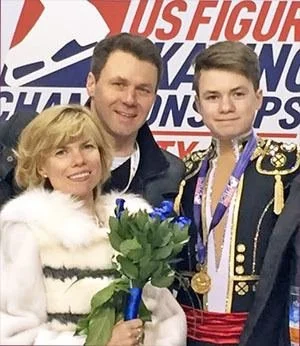
Maxim Naumov
2. Figure Skating: Resilience and Working Agreements
The 2026 Games carry a heavy emotional weight for the U.S. Figure Skating community following a tragic 2025 plane crash that claimed 28 lives. Among the skaters impacted is Maxim Naumov, who must compete while processing the loss of his parents. His journey highlights the necessity of a team that can carry a member’s emotional weight without losing focus on the goal.
The Workplace Shift: Clarifying Expectations
To support members during high-stakes or high-stress periods, teams need Working Agreements. These are established rules of engagement that define:
Roles and Hours: Who is responsible for what, and when?
Support Cues: How does a teammate signal they need help?
Communication Norms: Where are documents shared and how are updates delivered? By making the "unspoken" needs of a group explicit, leaders create a culture where "clarity is kind," allowing the team to function effectively even during personal or professional crises.

Francesco Friedrich
3. Bobsledding: Trust and Teambuilding
Bobsledding is a sport of high speed and extreme risk. German pilot Francesco Friedrich has dominated the sport because his teams move in perfect synchronization. The push, load, and entry into the sled require a level of trust that can only be built through time spent together off the track. If one member is out of sync, the entire sled is at risk.
The Workplace Shift: Intentional Connection
Teambuilding is often dismissed as "cheesy," but its purpose is to create the psychological safety necessary for collaboration. A simple, effective way to build this is through Meeting Check-ins. By asking a single opening question—such as, "What is your goal for our meeting today?"—leaders ensure every voice is heard immediately. This small act of teambuilding deepens understanding and ensures that when the "run" begins, everyone is aligned and invested.
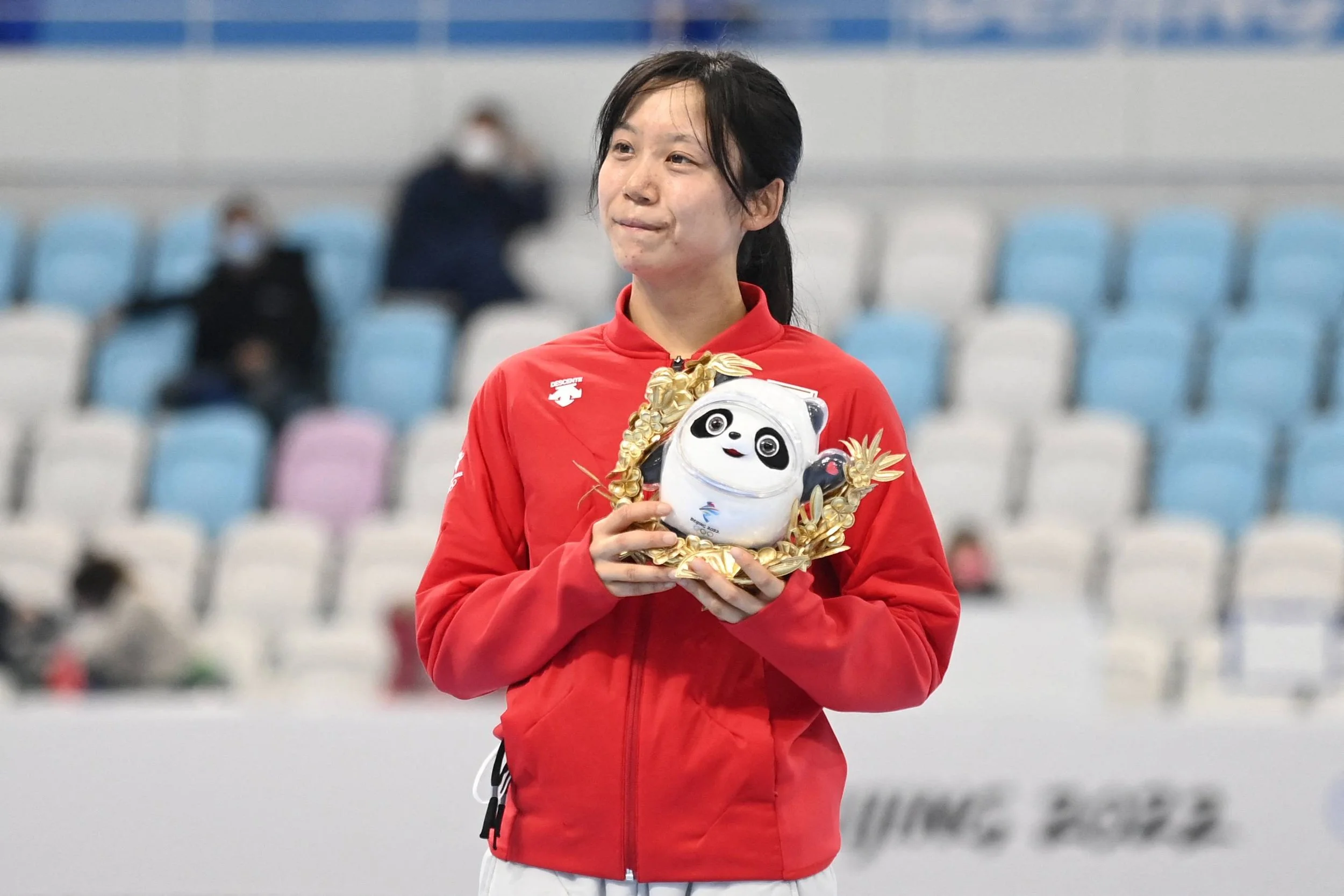
Miho Takagi
4. Speed Skating: Strategic Decision-Making
Speed skaters like Japan’s Miho Takagi must make split-second decisions that balance individual power with team strategy. In the workplace, teams often struggle with "talking in circles," a symptom of undefined decision-making processes. Whether a team uses consensus, voting, or a single decider, clarity on the how is just as important as the what.
The Workplace Shift: Improving the Process
To move from indecision to action, teams should:
Define the Process: Explicitly state how a specific decision will be made.
Slow Down: Give the team five extra minutes to air concerns.
Practice Reflective Listening: Ensure the group truly understands each stakeholder’s perspective before moving forward.
Seek Consent: Confirm that even if there isn't total agreement, everyone can support the final decision.
The 2026 Winter Olympics remind us that world-class results are the product of "one moment at a time" investments in team health. By focusing on sensemaking, clear working agreements, intentional teambuilding, and transparent decision-making, any leader can foster an environment where their team is prepared to go for the gold. Need help with your team? Read more on Substack. Access the tools used in this post. Book a free call with me. Attend the live event.